How to Make the Most of Australia's Solar Resources
Assessing Your Home's Solar Potential
Evaluating Roof Space and Orientation
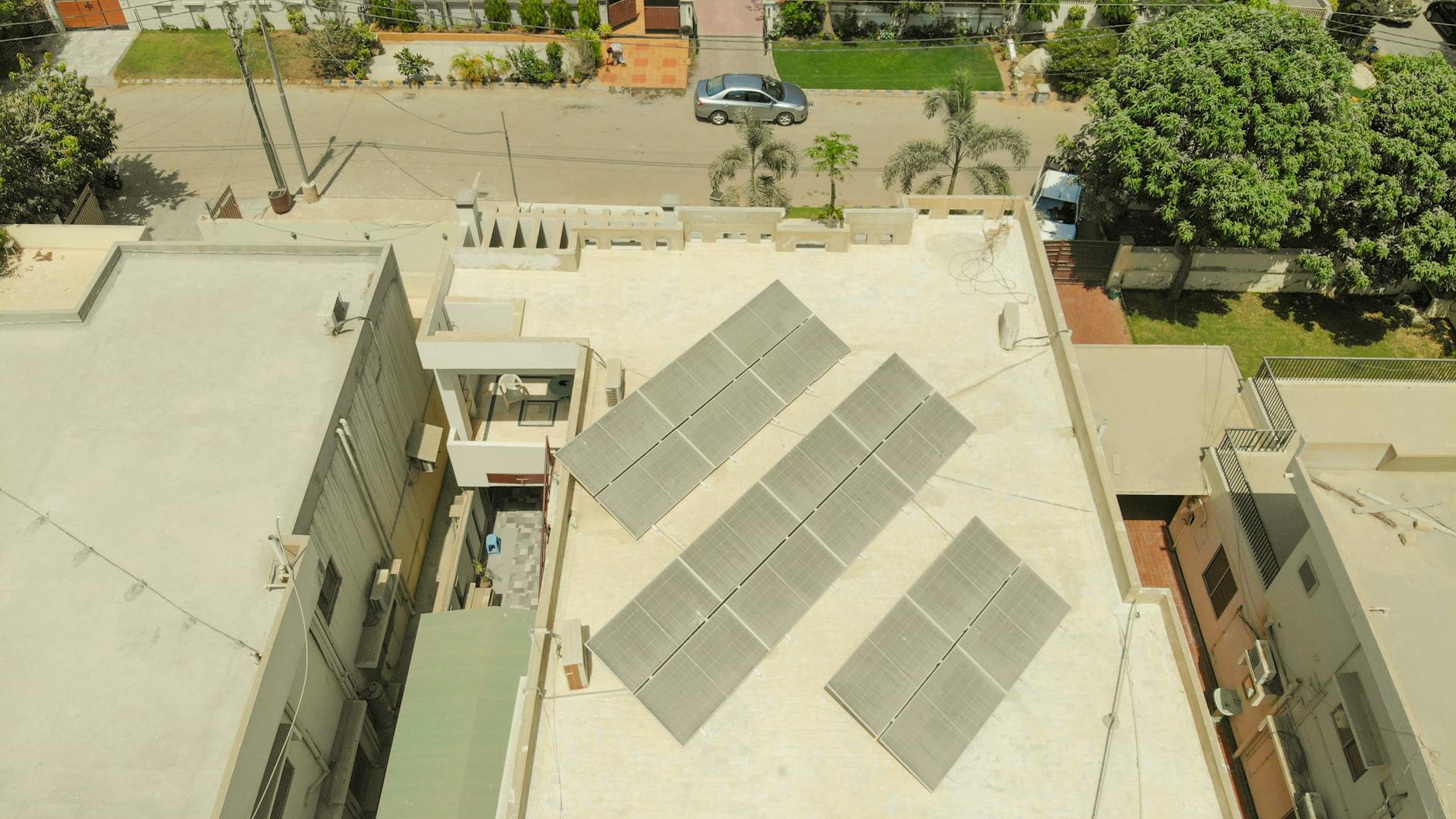
When considering solar panels for your home, start by evaluating your roof space and orientation. Ideally, your roof should have ample, unobstructed space to accommodate a sufficient number of solar panels. The orientation of your roof is also crucial; north-facing roofs in Australia capture the most sunlight throughout the day, making them ideal for solar panel installation. These factors are essential to maximise energy production and efficiency.
Understanding Sunlight Exposure
Next, consider the amount of sunlight your roof receives daily. Areas with longer daylight hours, such as those near the Brisbane Botanic Gardens, are excellent for harnessing solar energy. Use tools like solar mapping or consult a professional to assess your property's solar exposure. Clear skies and minimal shading from trees or neighbouring buildings will ensure your panels function optimally.
Climate and Weather Considerations
Australia's climate is generally favourable for solar energy, but regional weather patterns should not be overlooked. While Brisbane enjoys plentiful sunny days, periods of heavy rainfall and overcast skies can affect solar panel efficiency. Consider the local climate's impact on energy production. If you're on a budget, comparing options like renting solar panels for your home versus purchasing can be beneficial, especially in areas with variable weather.
Remember that each of these steps plays a crucial role in determining the overall effectiveness and cost-efficiency of your solar energy system. Proper planning and assessment can lead to significant savings in the cost of installing solar panels at home over time. There's also the option of integrating both roofing and solar installation to further streamline the process.
Choosing the Right Solar Technology
Comparing Solar Panel Types
Selecting the appropriate solar panel for your home is crucial. Typically, you'll come across three main types: monocrystalline, polycrystalline, and thin-film. Monocrystalline panels are known for their high efficiency and sleek look but come at a higher cost. Polycrystalline panels are less efficient but more affordable and easier to produce. Thin-film panels, while the least efficient, offer flexibility in installation and are ideal for non-traditional surfaces.
Inverters and Their Importance
Inverters play a vital role in converting the direct current (DC) generated by your solar panels into alternating current (AC), which can be used by your home appliances. There are a few types to consider:
- String Inverters: These are connected to a series of solar panels. They're cost-effective but may reduce efficiency if one panel underperforms.
- Microinverters: Installed on each panel, these optimize performance individually, making them a good choice for complex roof layouts.
- Power Optimizers: These are a middle-ground solution, ensuring better efficiency than string inverters while being more affordable than microinverters.
Battery Storage Options
Battery storage can significantly enhance the utility of your solar system by storing excess energy to use when the sun isn’t shining. Here are a few options to consider:
- Lead-Acid Batteries: Affordable and widely available, but they have shorter lifespans and lower efficiency.
- Lithium-Ion Batteries: More expensive initially but longer-lasting and more efficient. These are becoming more popular for home solar systems.
- Flow Batteries: Newer on the market, offering longer life and higher efficiency but at a higher cost.
While exploring your options, consider visiting the renewable energy installations at South Bank in Brisbane for some real-world inspiration. Understanding these technologies will help you make informed decisions, ensuring that you optimize both costs and efficiency when setting up your solar system.
In addition, if you're engaging in solar panel reinstallation or new setups like solar panel installation Frederick MD or solar panel installation Kansas City Next Level, it’s vital to pick technologies best suited for your unique circumstances.
Installation Process
Selecting a Trustworthy Installer
When it comes to solar installation, one of the most crucial steps is selecting a trustworthy installer. Your solar system will be with you for decades, so choosing a reliable professional can make all the difference. Look for certified and experienced solar installers phoenix who have a solid track record. A great place to start is by checking online reviews and asking for recommendations from friends or neighbours who have installed solar panels. Be sure to verify their credentials and see examples of previous work to ensure quality and reliability.
Permits and Regulations
Navigating the permits and regulations for a solar installation project can be daunting. In Australia, the requirements can vary depending on your location and the specifics of your installation. Typically, you will need to obtain building permits, electrical permits, and connect your system to the grid. Some councils may have specific regulations about the aesthetic impact on neighbourhoods. It's crucial to consult with local authorities to understand all the requirements and make sure that your chosen solar installaton company can assist you with these regulatory processes. This ensures a smooth and legally compliant installation.
Installation Timeline and What to Expect
The installation timeline for a solar system can vary, but understanding what to expect can help you plan better. After selecting an installer and securing necessary permits, the installation usually occurs in a few stages:
- Site Assessment: The installer will assess your roof and electrical system to determine the specifics of the installation.
- System Design: This involves designing a system tailored to your home’s needs.
- Permit Applications: Submitting applications for the required permits.
- Installation: The actual setup, which typically takes 1-3 days depending on the system size.
During the installation, expect some noise and minor disruptions around your home. Knowing the timeline helps in scheduling these activities to minimise inconvenience.
By carefully planning and choosing the right installer, you ensure a successful and compliant installation process.
Maximizing Efficiency
Regular Maintenance Tips
Keeping your solar panels in prime condition is crucial for maximizing their efficiency. I recommend performing regular maintenance checks to ensure everything is functioning correctly. These checks generally include cleaning the panels, inspecting for damage, and verifying the system's performance.
First, cleaning the panels is essential, particularly in areas prone to dust and bird droppings. A simple rinse with water and a soft brush will usually suffice. This prevents any buildup that could block sunlight and reduce efficiency. It's always best to check with your installer on the recommended cleaning frequency.
Next, inspecting for physical damage should also be part of your routine. Look for any cracks or chips on the panels and ensure that all mounting hardware is secure. This is especially important after severe weather conditions. If you spot any damage, contact a professional to assess and repair it promptly.
Finally, monitor your system's performance regularly. Most solar panel systems come with a monitoring app that lets you track energy production. Note any significant drops in output, as this could indicate an issue that requires attention. If you are uncertain about any aspect of your system's performance, consult with washington solar installers for expert advice.
Integrating Smart Home Technology
To get the most out of your solar setup, integrating smart home technology can make a substantial difference. Smart energy management systems can optimize energy use by connecting to devices like thermostats, appliances, and lighting systems. These systems can automatically adjust settings based on your energy production and usage patterns.
First, consider installing smart thermostats. These can adapt to your schedule, ensuring that your heating and cooling systems operate efficiently when solar energy production is at its peak. This not only maximizes the use of generated energy but also reduces your overall utility costs.
Second, smart plugs and switches can help manage other household appliances. By scheduling energy-intensive tasks like laundry or dishwashing during peak sunlight hours, you make the most of the electricity generated by your panels.
Lastly, energy storage systems like batteries can be integrated into your smart home network. With advanced management systems, you can control when to store excess energy and when to draw from it, balancing your energy needs effectively. This approach is beneficial, especially if you are considering a solar panels for 2500 sq ft home and want to ensure optimal performance.
Seasonal Adjustments
Seasonal changes can significantly impact your solar panel's efficiency, but a few adjustments can help you maintain high performance year-round. During the summer, the days are longer, and the sun is more intense, increasing your energy production. Here are a few tips to optimize for summer:
- Clean your panels more frequently to remove pollen and dust accumulation.
- Adjust the angle of your panels, if possible, to capture more sunlight.
- Monitor the system more regularly to watch for overproduction and consider additional storage options for excess energy.
In winter, shorter days and inclement weather can reduce solar panel efficiency. To adapt, you can:
- Ensure that panels remain free of snow and debris.
- Use a monitoring app to maximize energy use during daylight hours.
- Consider investing in additional battery storage to save energy for the evenings.
By taking these steps, you can maintain optimal performance from your solar panels regardless of the season.
Common Mistakes
In our quest to make the most of Australia's abundant solar resources, avoiding common pitfalls is crucial. Here, I’ll outline mistakes many make and how you can steer clear of them. Let's dive in.
Choosing the Wrong System Size
One of the most frequent errors homeowners make is selecting a solar system that's either too small or too large. The key to avoiding this mistake is conducting a thorough assessment of your household's energy needs. Start by tracking your monthly energy consumption and understanding the fedex workplace. Consulting with an expert can help you tailor the system size to match your specific requirements, ensuring efficiency and effectiveness.
Ignoring Local Laws and Incentives
Another critical misstep is overlooking local regulations and available incentives. In Brisbane, for example, adhering to local guidelines and availing yourself of available rebates can substantially lower installation costs. Thoroughly researching and staying updated on these regulations can make a significant difference. Many households fail to capitalise on initiatives like the solar rebate offered by the Queensland government.
Skipping Professional Maintenance
Finally, many households underestimate the importance of professional maintenance. Regular check-ups by certified technicians ensure your system remains in optimal condition. Skipping this can lead to inefficiencies and long-term damage. Just like the renewable energy installations at South Bank require periodic checks, your home system needs dedicated upkeep for maximum business it support.
Avoiding these common mistakes empowers you to optimise your solar investment, contributing not just to your household’s energy efficiency but also to broader environmental sustainability. Remember, a well-maintained system is a reliable one, ensuring you reap the benefits of solar energy for years to come.